Galactic Map in Total War: WARHAMMER 40,000
Planets, fleets, and governors — a sandbox of stars instead of a single continent.
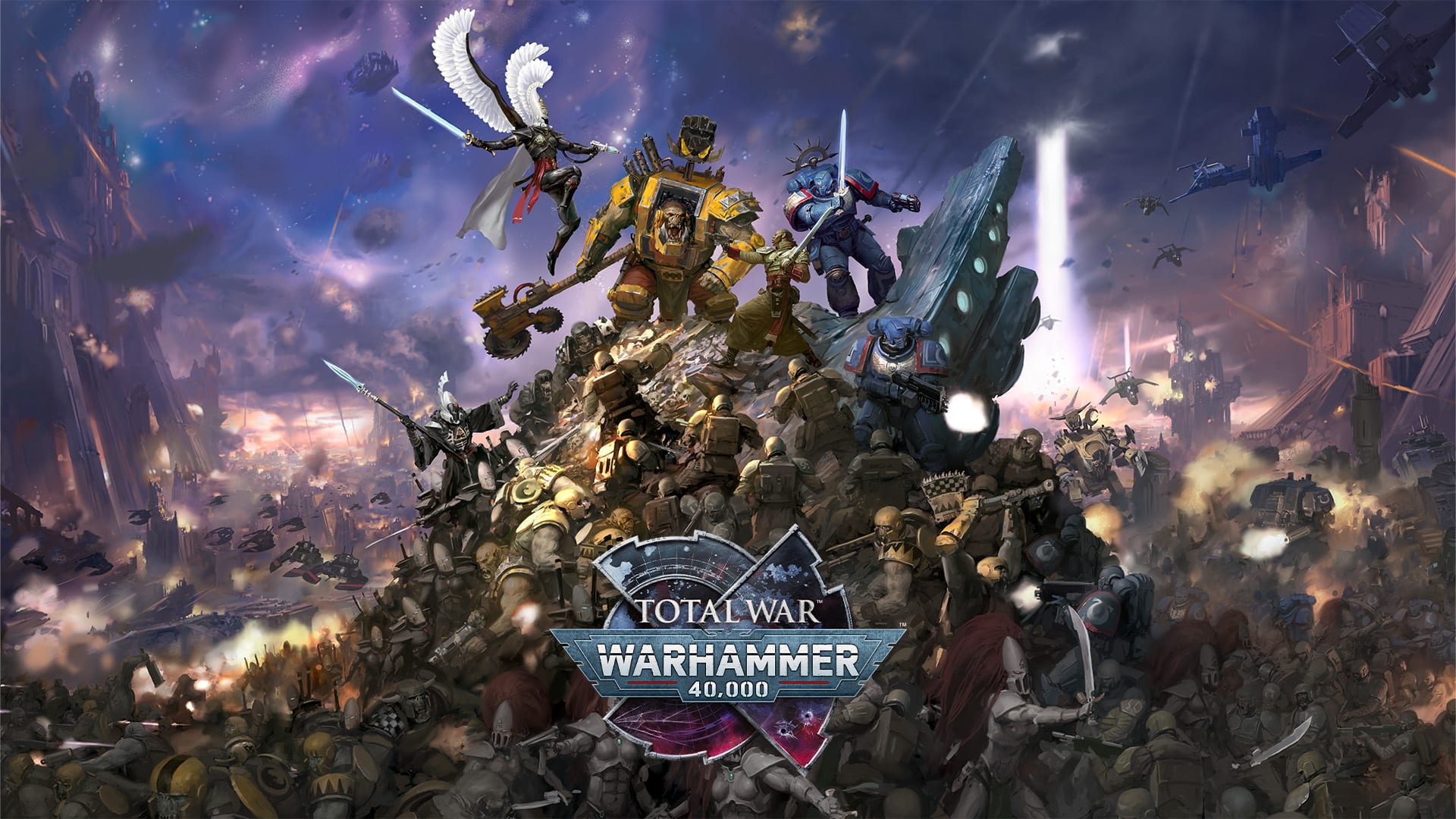
The galactic map is the strategy layer of Total War: WARHAMMER 40,000. Creative Assembly did not stretch the Old World into space. It built a new engine so you could move void fleets between star systems, pick planets to contest, and live with the fact that a world you are not looking at still has a governor, an economy, and an enemy who might industrialise it. This page is that sandbox as confirmed: planets, fleets, personalities, orbital bombardment, world-destroying weapons, and the nested campaigns that sit on top of it. It is not a star-by-star atlas. CA has not published one.
If you want the loop that uses this map, start with the campaign hub and crusade theaters. If you want how a single world actually plays, read planets. If you want the story destination the map is pointed at, read the road to Armageddon. If you want to know who you drop onto a hive, read the faction hub first. Space Marines, Astra Militarum, Orks, and Aeldari do not use the same dirt the same way.
Planets instead of provinces
A planet in this Total War is closer to a whole mini-campaign than to a WARHAMMER III province. Game director Attila Mohacsi has described recruiting, building, and fighting on a world much as the series always has, then chaining those wars into a system campaign, then chaining systems into a theater that can run past 600 turns. That nesting only works if a planet is large enough to be worth a drop and small enough to finish so the crusade can move.
Hands-on slices already showed what a planetary fight feels like. Space Marines hunt a crashed ship with a four-unit Strike Force. Guard holds a river crossing against Orks. Ruins and hab-blocks matter because the tactical layer is guns and cover. Winning that battle does not paint a continent. It answers whether this rock is yours this week.
Governors have personalities. That is one of the few social facts CA has put on stage. Treat it as a reason worlds are not identical resource icons, not as a Crusader Kings simulation we have not been shown. Preview talk also puts AI governors on a personality-and-reputation loop: they keep running the rock while you are two systems away. A personality can make a planet easier, nastier, or simply different. We will not invent a trait list.
Mohacsi told Inven the full campaign planets are continental in scale. Gamescom maps were smaller slices. Orks still build on the dirt of those planets; Marines still upgrade fleets in orbit. Preview UI on the slices showed labels for approval, requisition, compliance, and shielding. Those are preview UI terms, not a finished economy. The per-world version sits on planets.
Fleets, orbit, and the dirt
Void fleets are how war moves. The cleanest economy contrast Creative Assembly has given is orbital versus ground. Space Marines upgrade in orbit, then drop a Strike Force. Orks industrialise the planets they take. Astra Militarum and Aeldari sit between those poles; extra resource names have not been published, so they do not appear here.
That contrast is a map skill. If you play Marines, the fleet is the army. Parking it to play Guard on the dirt is fighting your own faction. If you play Orks, a pretty fleet that never unloads is a Space Marine plan wearing green. If you play Guard, the map is still stars even though your fantasy is a gunline. If you play Aeldari, CA has shown the least; do not invent a Webway overlay because the tabletop has one. Use the same galactic sandbox at a different tempo.
Orbital bombardment is confirmed as a tool, not as the whole game. It exists because you have fleets and because 40k is 40k. World-destroying weapons are confirmed as well — apocalyptic toys for a crusade, not the default click. A 600-turn theater dies as content if every problem is a planet-kill. Use them when the story and the sandbox allow, then go back to governors, drops, and real-time battles.
Why the engine had to change
The Game Awards announcement on 11 December 2025, with David Harbour in a mysterious role, sold a galactic Total War, not a reskin of Cathay. Guns forced a new battle language: per-model lines of fire, mixed wargear, strafing tanks, sentry mode, simulated projectiles. Stars forced a new campaign language: fleets, planets, nested theaters. Mohacsi’s public pitch is one game expanded for years, no numbered sequels, 2027 release, closed beta later in 2026. The map you play at launch is the start of that expansion, not the last skybox.
Do not import a “paint the map” brain. A subsector you ignore can bleed. The Skulls 2026 teaser said it in Yarrick’s voice: the hives, the regions, the continents are infested; the planet, the entire subsector bleeds; a theatre of endless war. That is what a galactic map is for — to make “the subsector” a place you can fail, not a loading screen.
How to read the map on a first crusade
- Pick the theater that matches the story you want. Armageddon is the named destination, not necessarily the first tutorial rock.
- Decide whether this week is a fleet week or a dirt week. Marines and Orks punish the wrong answer harder than a colour swap.
- Drop for a reason. A four-unit Strike Force on a crash site is a lesson. A Baneblade parade on a world you cannot supply is a highlight reel for the other side.
- Respect governors. Personality is the one social system CA bothered to name; it is not flavour.
- Keep bombardment and world-killing weapons scarce. They are confirmed so you know the scale, not so you skip the sandbox.
- Chain the result into a system campaign, then a theater. A beautiful planet with no fleet is a postcard.
Practise the firefight in how to play so the map is allowed to matter. Total War: WARHAMMER 40,000 is still in development. This atlas will gain stars when CA names them. Until then, move fleets, contest planets, and remember the dirt you ignore can grow a WAAAGH!.
Frequently Asked Questions
Quick answers to the most common Total War: WARHAMMER 40,000 questions.
Is the galactic map in Total War: WARHAMMER 40,000 a single starmap?
It is a galactic sandbox of systems and planets that nest into crusade theaters. CA has not published a star-by-star atlas, and we will not invent one.
What do governors do?
CA has said planetary governors have personalities, so worlds are not identical resource icons. A full trait list has not been shown.
Can I bombard planets from orbit?
Orbital bombardment is confirmed. World-destroying weapons are confirmed too. Both are crusade tools, not the default click every turn.
Do Space Marines and Orks use the map differently?
Yes. Marines upgrade fleets in orbit and drop Strike Forces. Orks industrialise planets they hold. That is the campaign contrast CA has actually named.
Why was a new engine required for the map?
Because the campaign is stars and fleets, and because battles are guns, cover, and sightlines. The fantasy trilogy’s bones would not hold either layer.